
Basements don’t have to be dark, dusty storage zones. With the right planning, a basement remodel can add serious livable square footage to your home—and even boost its overall value. Whether you need a home office, guest bedroom, or just more space to hang out, turning that underused level into something functional and comfortable is a smart move. It’s also a great way to inch closer to your dream home without needing an addition.
If you’re thinking about remodeling your basement, there are a few key areas to plan around to make sure you get lasting value and a finished space that works well for your day-to-day life.
Planning a Functional Layout Based on Your Household’s Needs
Before jumping into finishes and fixtures, the layout needs to work for how your family lives. A finished basement should feel like an extension of the rest of the house, not just an afterthought.
Start by thinking about what you actually need. Some popular uses include:
- Family room or playroom
- Home gym or yoga studio
- Guest suite with a bathroom
- Home office with privacy
- Hobby or craft space
Once your goals are clear, it’s easier to divide the basement into zones that support those functions. Keep in mind access to plumbing and electrical will affect where you can place certain features, especially bathrooms or a kitchenette. If your layout is flexible, make sure common-use areas like family rooms or game rooms are placed where you’ll get the most natural light.
Creating Dry, Comfortable Living Space With Proper Insulation and Moisture Control
One of the biggest challenges with any basement remodel is moisture. Even finished basements can feel chilly or damp without proper insulation and water management in place. Before building anything out, take time to assess the space for signs of water intrusion—like foundation cracks, condensation, or musty odors.
Here are a few smart moisture-control upgrades:
- Seal foundation walls with a waterproofing membrane or paint
- Install a sump pump and drainage system if needed
- Add rigid foam insulation to exterior walls to improve energy efficiency and comfort
- Use moisture-resistant drywall and flooring materials like vinyl plank or tile
It’s also worth looking into a dehumidifier system that can run year-round to keep humidity in check. Getting this step right at the start sets you up for a basement that feels just as inviting as any other room in the house.
Lighting and Flooring Options That Transform Dark Areas
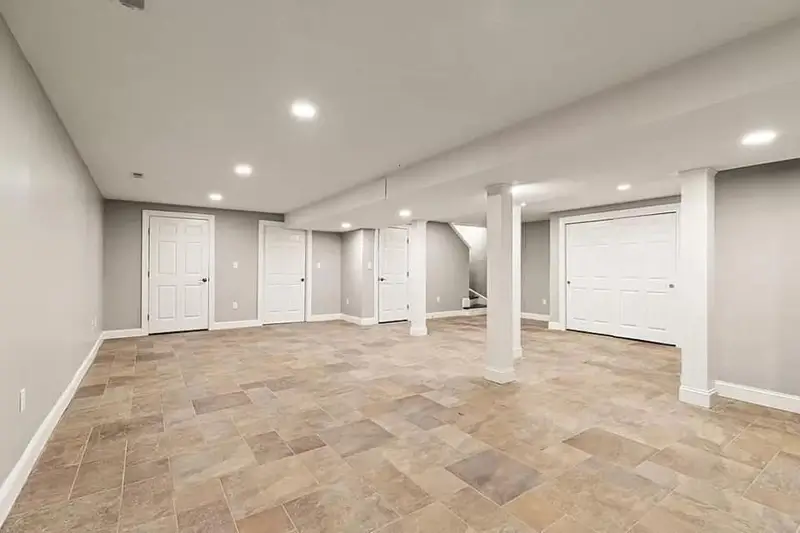
Lighting makes a huge difference in how finished a basement feels. Since natural light is usually limited, the right combination of artificial lighting is key to keeping the space bright and welcoming.
A good basement lighting plan might include:
- Recessed ceiling lights for even, ambient lighting
- Wall sconces or track lighting for extra brightness and style
- Table or floor lamps in living spaces for a cozy feel
When it comes to flooring, you’ll want something that handles moisture well without feeling cold underfoot. Popular choices include:
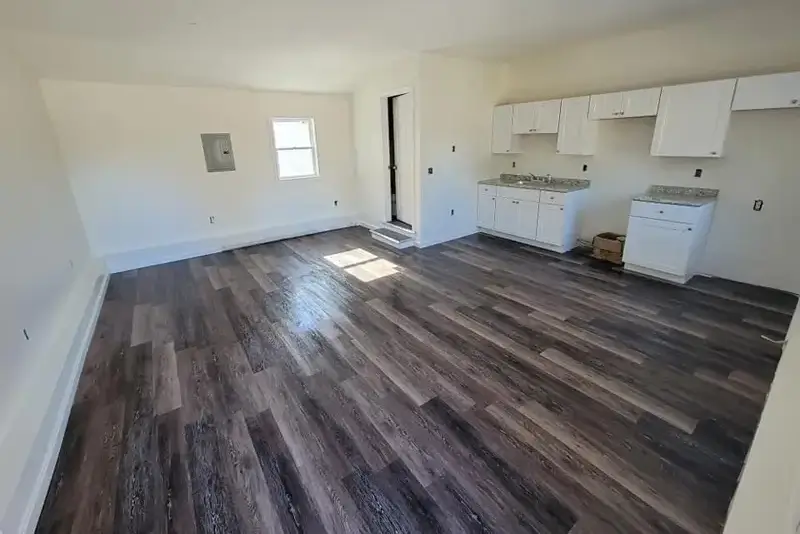
- Luxury vinyl plank (LVP) – waterproof, durable, and available in wood-look styles
- Carpet tiles – easy to replace and add warmth in living areas
- Engineered wood – stable in lower-humidity areas with a more upscale finish
The right lighting and flooring not only improve comfort but also make the space feel more integrated with the rest of your home.
Adding Value With Multi-Purpose Features Like a Guest Suite or Home Gym
If you want to get the most out of your basement remodel, think beyond just one purpose. Flexible spaces add more value over time and are more appealing to future buyers.
Here are a few ideas for multi-purpose upgrades:
- Guest suite with a private bathroom that doubles as a home office or rental space
- Open rec room with space for a workout zone, game area, or media center
- Built-in storage to keep clutter in check and maximize usable floor space
Designing with versatility in mind gives your basement more long-term function, especially as your family’s needs evolve.
Understanding Permitting and Code Requirements for Finished Basements
Before you start framing walls or pulling up old flooring, make sure you understand the permitting requirements in your town or city. Finished basements are subject to the same building codes as other parts of your home, especially when adding plumbing, electrical, or egress windows.
Most towns in southern New Hampshire and northern Massachusetts require permits for:
- Framing or structural changes
- New electrical circuits or outlets
- Plumbing work (especially bathrooms or wet bars)
- Installing a bedroom or guest suite
Egress windows or exterior doors are often required if you’re planning to use the space as a legal bedroom. An experienced contractor can help you navigate the permitting process, meet code requirements, and avoid costly redos.
Ready to Make the Most of Your Basement?
A smartly planned basement remodel can unlock livable space, add long-term value, and make your home more comfortable year-round. From layout design to code compliance, there’s a lot to consider—but it doesn’t have to be overwhelming. If you’re ready to start planning your basement transformation, contact us. We’re here to help you bring your ideas to life with experience and craftsmanship you can count on.